Window Type · Casement
Open to fresh air.
Classic in operation and timeless in appearance, steel casement windows provide natural ventilation while maintaining the slim sightlines of traditional steel architecture.

Why Casement Windows
Designed to breathe.
Casement windows open outward to maximize ventilation, making them ideal for kitchens, living spaces, bedrooms, and anywhere fresh air is part of the design. Slim steel profiles allow generous glazing while preserving clean architectural lines.
Maximum Ventilation
The side-hinged design captures breezes and provides excellent natural airflow.
Slim Steel Sightlines
Narrow steel profiles maximize glass and preserve uninterrupted views.
Custom Fabricated
Every window is built to your dimensions, glazing requirements, and finish selections.
Real Projects
Casement windows. In place.
Side-hinged steel casements photographed where they live — swung open to a garden, framing trees above a kitchen island, and letting the breeze into a quiet bedroom.
 Living Room · Brass Hardware
 Kitchen · Arched Casement
 Bedroom · Garden Casements
 Living Room · Arched Casements
 Reading Nook · Steel Casements
 Bathroom · Garden Casements
 Living Room · Garden Casements
 Bedroom · Brass Hardware
Built For Your Opening
Choose the right configuration.
From a single operable leaf to full corner assemblies, casement units combine with fixed panels to suit any opening — built on one continuous steel profile.
Choose the Right System
Choose the right profile.
Every casement window begins with the right steel profile. Slimmer systems maximize sightline; thermally broken systems add performance for exterior openings — we'll match the profile to your opening and climate.
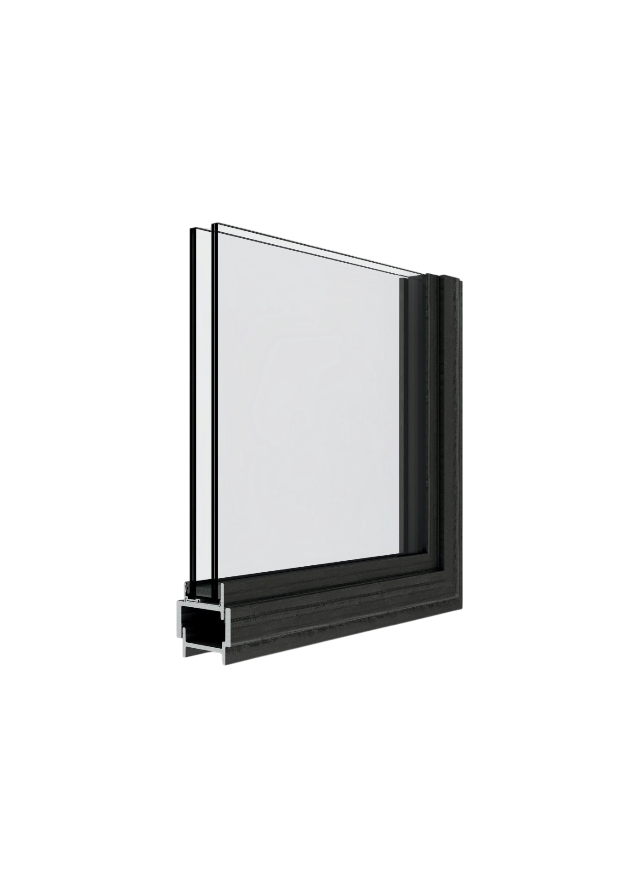
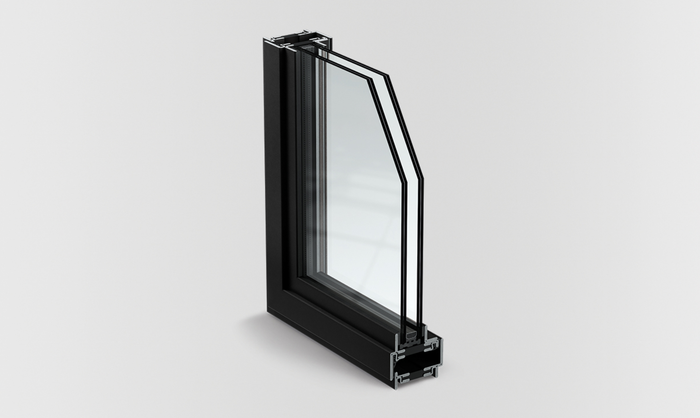
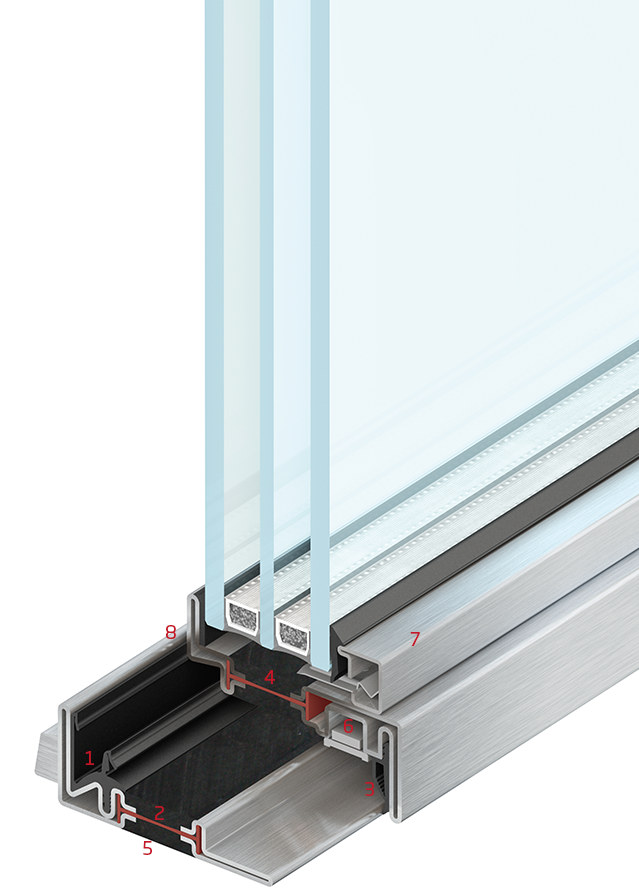
Not sure which system fits? Share your opening and climate zone and we'll specify the right profile for you.
Designed for Performance
Glazing that suits the space.
Choose the glazing that meets your performance, privacy, and design goals — specified per opening to suit each casement window.
Built Around Your Opening
No stock sizes.
Every BlackFramed casement window is fabricated to approved shop drawings. Typical dimensions vary by profile system, glazing specification, and project requirements.
Made to Order
Manufactured specifically for your project.
Every casement window is manufactured specifically for your project — not from stock sizes. Opening direction, hardware, glazing, and finishes are all selected to suit your architectural intent and performance requirements.
Common Questions
Casement windows, answered.
The questions we hear most from homeowners, designers, and architects specifying steel casement windows.
A casement window is a side-hinged window that swings open on a vertical axis, operated by a handle or crank. Built on a steel profile, it pairs the ventilation of an operable window with the slim sightlines and durability of traditional steel — fabricated to your exact opening.
Most steel casements open outward, which keeps interior sightlines clear and sheds water away from the opening. Inward-opening configurations are also available where an outward swing isn't practical. We'll confirm swing direction and handing per opening as part of your specification.
Yes. For exterior and conditioned spaces we specify thermally broken profiles — W50-TB or Secco OS2 75 — which place an insulating barrier inside the steel section to reduce heat transfer and condensation. For covered or interior openings, the slimmer non-thermal W40 is often the right call.
Casement leaf size is governed by the profile, glass make-up, and the hardware supporting the operable weight. Beyond a single leaf, we mull multiple casement and fixed panels into a larger assembly so a whole elevation reads as one continuous steel window. We size and engineer every unit to your opening and wind load.
Absolutely — it's one of the most common configurations. Large fixed panels carry the view while operable casements, placed where you need airflow, provide ventilation. Because they share the same profile, the whole assembly reads as one seamless steel window wall.
Casements are operated with handles, cremone bolts, or friction stays, finished to match the window — blackened steel, brass, bronze, or brushed nickel. Hardware style and finish are selected to suit the architecture, from period-correct espagnolette bolts to clean contemporary levers.
Yes. Glass is specified per opening — clear, low-iron, Low-E, laminated, tempered, reeded, frosted, or tinted, in single- or double-glazed make-ups. Steel is finished in your choice of colour or coating, and hardware is matched to suit. Every element is selected to your architectural intent.
They can be. Paired with a thermally broken profile such as W50-TB or Secco OS2 75, compression seals at the operable leaf, and a Low-E double-glazed make-up, a steel casement performs strongly for its slimness — delivering ventilation and efficiency without a bulky frame.
Window & Door Types
Explore other types.
Every BlackFramed opening is built on the same original European steel profiles — mix and match window and door types across a single elevation.
Start Your Project
Designed to open. Built to last.
Tell us about your project, and we'll help you specify the right steel casement window system for your opening.